



Where Does Antioxidant Protection Come From?
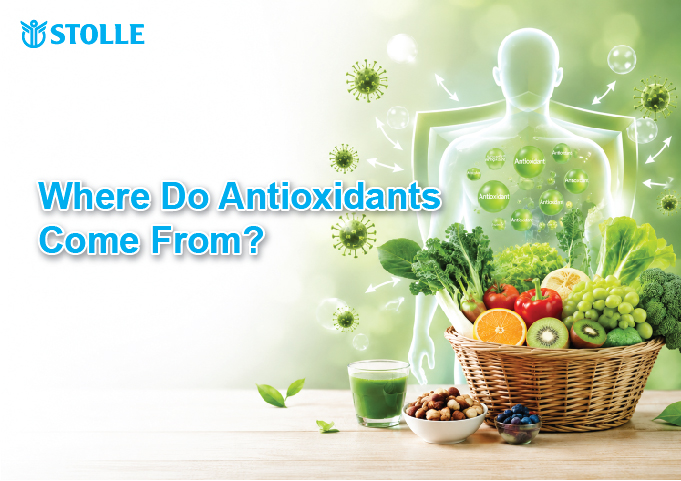
Where Does Antioxidant Protection Come From?
Don’t wait until your skin shows visible changes before paying attention to oxidative stress.
Every day, our bodies are exposed to free radicals.
UV rays from sunlight, air pollution, stress, lack of sleep, an unbalanced diet, and even normal metabolic processes can contribute to the production of free radicals, also known as Reactive Oxygen Species (ROS).
Free radicals are not necessarily “bad” — our bodies naturally produce them as part of normal physiological processes.
The concern arises when free radicals are produced in excess and the body’s antioxidant defence system cannot maintain the balance.
This condition is known as oxidative stress.
What Happens When There Are Too Many Free Radicals?
Think of it this way, free radicals = unstable molecules
When present in excess, they can react with important components of our cells, including lipids, proteins and DNA, potentially causing oxidative damage.
Long-term oxidative stress is associated with various processes related to cellular ageing. In the skin, oxidative stress can also affect skin cells, collagen-related structures and the skin barrier, and plays a role in photoaging.
For the body
Excessive oxidative stress may be involved in:
- Oxidative damage to cells
- Lipid peroxidation
- Protein oxidation
- DNA damage
- Inflammatory responses and cellular ageing-related processes
For the skin
Our skin is constantly exposed to environmental stressors, especially UV radiation and pollution. Oxidative stress may contribute to:
- UV-induced skin damage
- Changes in skin barrier function and moisture
- Damage to collagen and elastic structures
- Dull-looking skin and pigmentation changes
- Fine lines and signs of photoaging
That’s why sun protection is important — but antioxidant care is also part of everyday skin wellness.
So, Where Do Antioxidants Come From?
Our body naturally has its own antioxidant defence system.
At the same time, our daily diet is an important source of antioxidant nutrients.
· Fruits
Berries, citrus fruits, tomatoes and more
· Vegetables
Dark green and colourful vegetables
· Nuts & Seeds
Sources of nutrients such as vitamin E
· Tea, Cocoa & Spices
Contain different types of plant polyphenols
A varied and balanced diet can provide vitamin C, vitamin E, carotenoids and various plant polyphenols.
3 Antioxidant Ingredients Worth Knowing
Curcumin
Curcumin is a natural polyphenol found in turmeric and has been widely studied for its antioxidant and anti-inflammatory-related activities.
Source: Turmeric
Blood Orange Extract
Blood oranges contain various plant polyphenols and flavonoids, including anthocyanins and hesperidin.
Blood orange extracts have also been studied in relation to skin antioxidant protection and UV-related responses.
Source: Sicilian Blood Orange
Vitamin C
Vitamin C is an important water-soluble antioxidant nutrient that can help protect cells from oxidative stress.
It is also required for normal collagen formation.
As the human body cannot produce vitamin C on its own, it needs to be obtained through the diet.
Sources: Fruits, vegetables and dietary sources
Antioxidant Care Isn’t Just About What You Put on Your Skin
Healthy-looking skin is influenced by many factors, including our lifestyle, diet, environmental exposure and overall nutritional status.
So, besides practising good sun protection, maintaining a healthy lifestyle, eating a balanced diet, we can also obtain antioxidant nutrients from a variety of dietary sources.
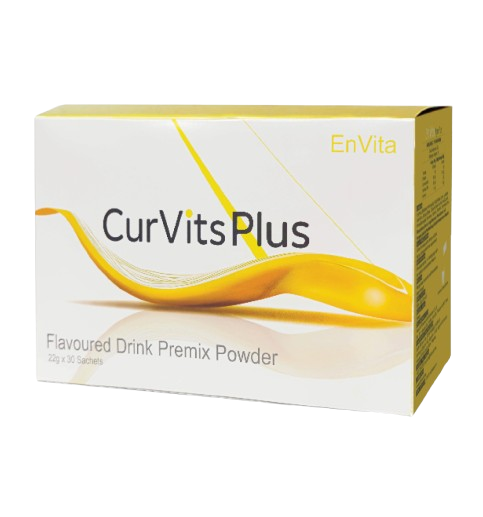
Introducing the New CurVits Plus
Bringing together three carefully selected antioxidant-related ingredients:
· Curcumin
· Blood Orange Extract
· Vitamin C
A simple way to complement your daily nutrition.
CurVits Plus Glow From Within
Don’t just focus on the surface.
Start with your daily nutrition,and make antioxidant care part of your everyday wellness routine.
-
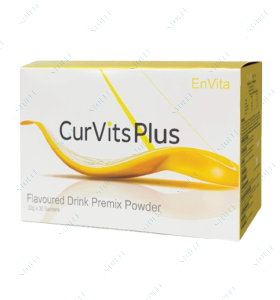 CurVits PlusAs low as RM 288.00 Regular Price RM 360.00