




Is Your Gut Healthy? 5 Habits to Improve Digestion

Is Your Gut Healthy? 5 Habits to Improve Digestion
Bloating after meals, an uncomfortable stomach or irregular bowel movements can make even an ordinary day difficult.
Sometimes, the reason is closer to home than you think: irregular meals, eating too quickly, stress or food that does not agree with your body.
During haze season, we often focus on protecting our lungs and reducing exposure to polluted air. But looking after our overall health also means paying attention to our digestive system.
Air pollution is being studied for its possible effects on gut health, but haze has not been proven to directly cause everyday stomach discomfort. Rather than guessing the cause, start with habits you can control—and give your gut the care it deserves.
1. Why Does Your Gut Health Matter?
Your digestive system does more than break down food. It helps your body absorb nutrients and works closely with your immune system.
Your gut also contains trillions of microorganisms, collectively known as the gut microbiome. A balanced gut environment supports normal digestive functions, while changes in this environment may affect gut health.
Two terms you may encounter are:
· Gut dysbiosis: An imbalance in the microorganisms living in your gut.
· Leaky gut: A common term for increased intestinal permeability, which means the gut barrier allows more substances to pass through than usual.
These conditions are not the explanation for every case of bloating or indigestion. However, they highlight why maintaining a healthy gut environment and supporting the body's normal functions matter.
2. Five Everyday Habits for Better Digestion
Small changes can make your daily routine more comfortable.
1. Eat at regular times
Avoid frequently skipping meals and then eating a large amount at once. Try to follow a routine that suits your schedule.
2. Slow down when eating
Chew your food properly and eat at a comfortable pace. Eating too quickly may cause you to swallow more air or eat beyond the point of fullness.
3. Drink enough water
Water supports digestion and helps prevent constipation. Remember to drink regularly throughout the day.
4. Notice your food triggers
Some people experience discomfort after spicy or fatty meals, while others may react to dairy products. Keep track of what you eat and how you feel afterwards.
5. Give your body time after meals
If you experience acid reflux, avoid lying down immediately after eating. Try to finish your evening meal a few hours before bedtime.
3. Why Gut Health Needs More Than Just Good Food
A balanced diet is essential, but supporting gut health also means understanding the connection between the digestive and immune systems.
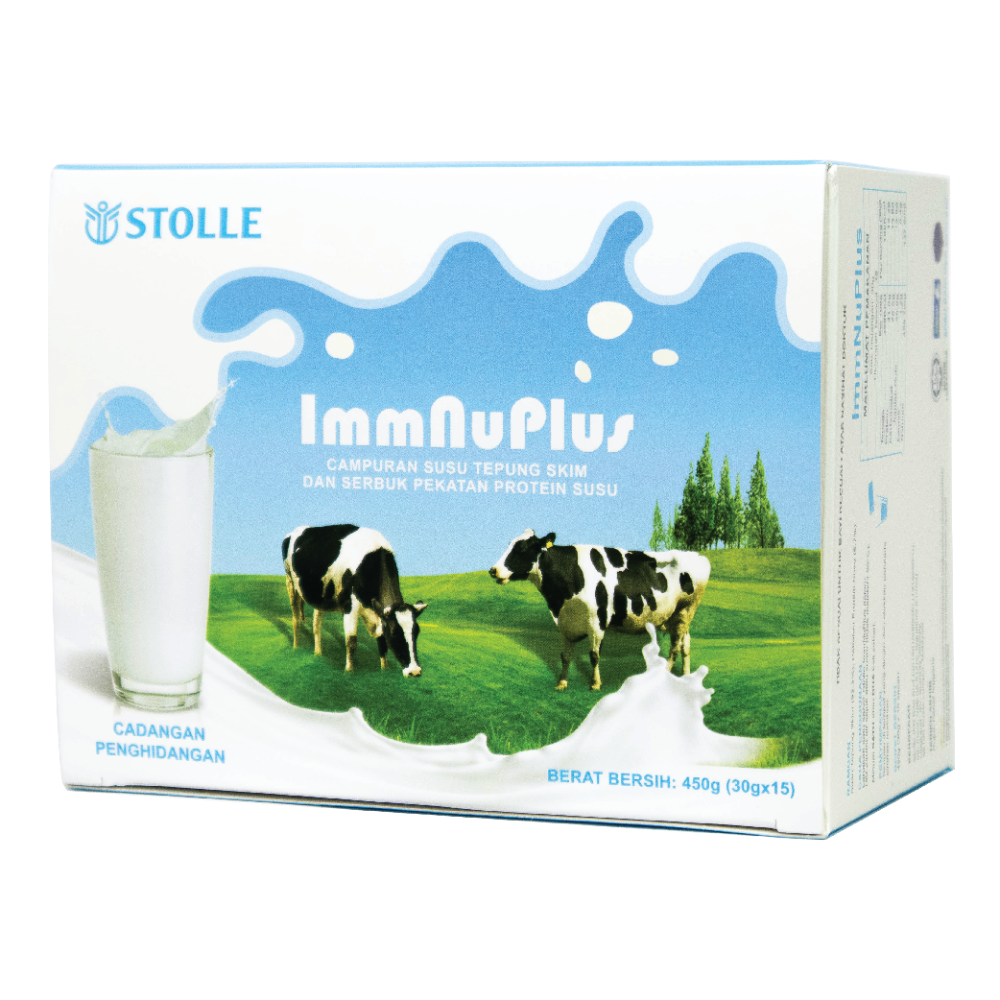
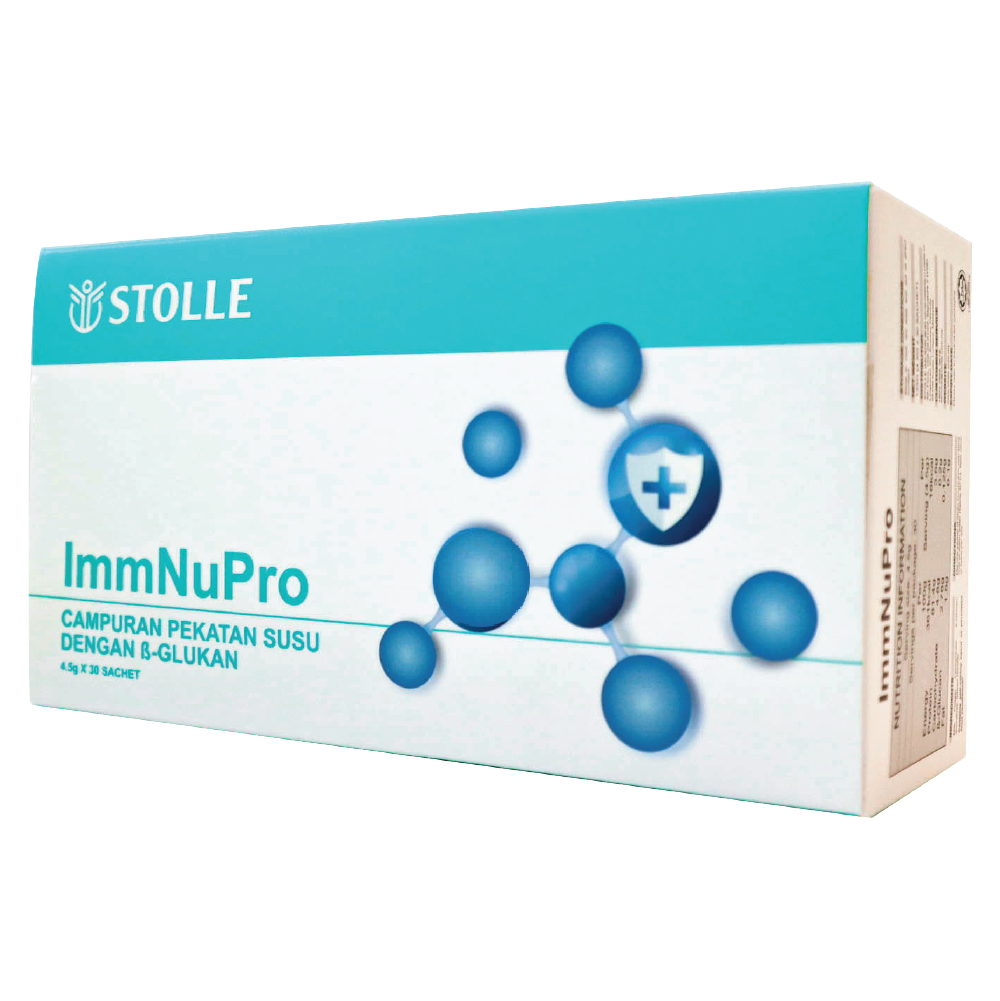
This is where immunonutrition comes in. Beyond protein, vitamins and minerals, some nutritional products contain bioactive components, including antibodies such as IgA and IgG, as well as components associated with inflammation regulation.
· IgA: Helps protect mucosal surfaces, including the digestive tract.
· IgG: Helps the immune system recognise and defend against specific targets.
· Anti-inflammatory: Helps support the body's natural regulation of inflammatory responses.
These components are relevant because the gut has its own protective barrier and interacts closely with the immune system and gut microorganisms.